Afghanistan, Article updated: September 19, 2026
Short Link:Afghanistan’s Independence Day is marked amid security crisis
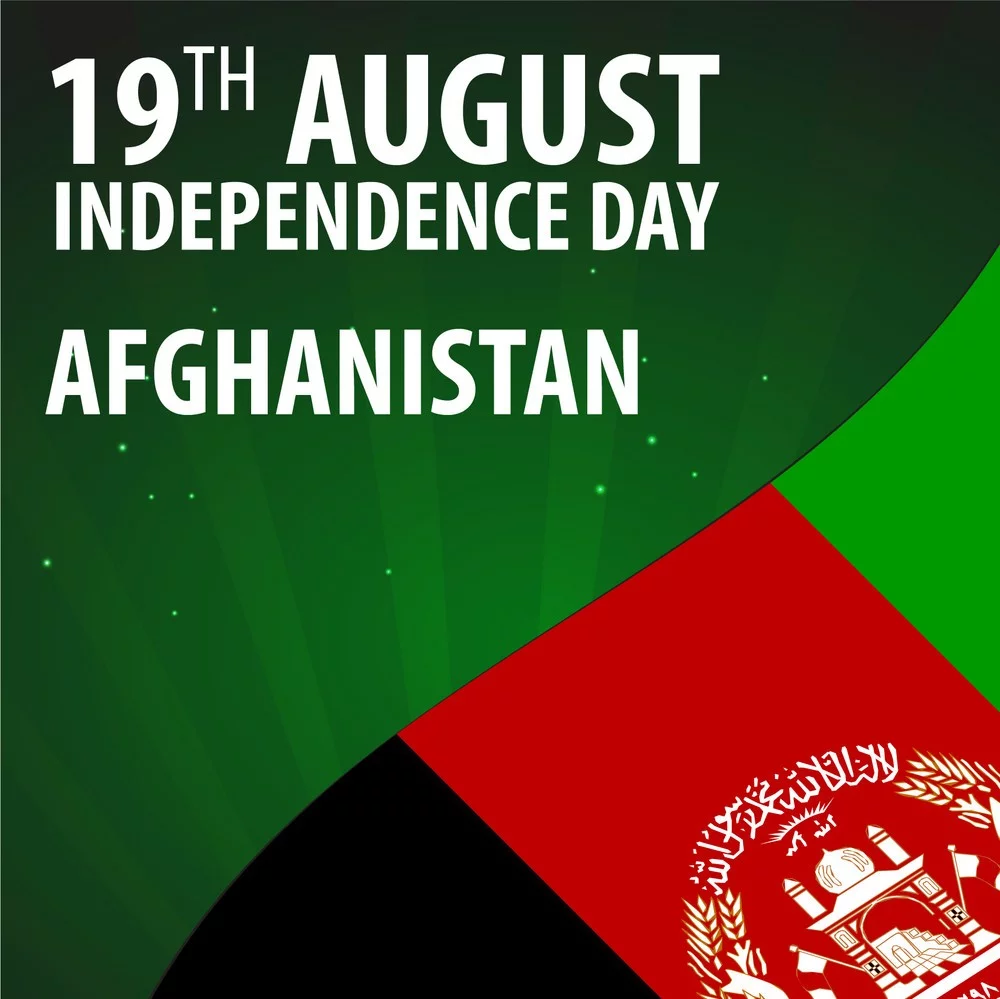
Celebrating Afghanistan Independence Day: A Historical Perspective
August 19 marks a significant day in Afghanistan‘s history, celebrated as Afghanistan Independence Day. This day commemorates the country’s liberation from British imperial rule in 1919, a milestone that not only reshaped Afghanistan’s future but also inspired other nations in the region to pursue their own paths to independence.
The Struggle for Independence
Afghanistan’s quest for independence was led by King Amanullah Khan Ghazi, a visionary leader who played a pivotal role in the nation’s liberation. On August 19, 1919, after the Third Anglo-Afghan War, Afghanistan successfully regained its sovereignty. The victory was a monumental achievement, as the Afghan forces compelled the British Empire, then a global superpower, to withdraw from the region.
This triumph was not just a military victory but also a symbolic one, as it demonstrated the resilience and determination of the Afghan people. The defeat of the British imperialists served as a beacon of hope for other nations under colonial rule, particularly in the Indian subcontinent. Inspired by Afghanistan’s success, the people of India intensified their struggle for independence, eventually achieving freedom from British rule in 1947.
The Legacy of King Amanullah Khan
King Amanullah Khan’s leadership was instrumental in shaping modern Afghanistan. His efforts to modernize the country and promote social reforms laid the groundwork for a progressive society. His vision extended beyond military victories; he sought to transform Afghanistan into a nation that embraced education, women’s rights, and economic development.
The impact of Amanullah Khan’s leadership can be seen in various aspects of Afghan society today. His legacy continues to inspire generations, reminding them of the importance of independence and self-determination. For those interested in historical aviation, the ‘Flying wing’ airplane inspired by WWII design also reflects the innovative spirit that leaders like Amanullah Khan embodied.
Afghanistan’s Role in Regional Independence Movements
The success of Afghanistan’s independence movement resonated across the region, encouraging other nations to challenge colonial powers. The Indian subcontinent, in particular, drew inspiration from Afghanistan’s victory. The struggle for independence in India was marked by decades of resistance against British rule, culminating in the country’s freedom in 1947.
This period of decolonization saw numerous countries in Asia and Africa breaking free from colonial rule, reshaping the geopolitical landscape. Afghanistan’s role in this broader movement underscores its historical significance as a catalyst for change in the region.
Cultural Celebrations and Global Connections
Afghanistan Independence Day is celebrated with great fervor across the country. The day is marked by cultural events, parades, and public gatherings, reflecting the nation’s pride and unity. These celebrations are not only a tribute to the past but also a reminder of the enduring spirit of the Afghan people.
Interestingly, cultural celebrations worldwide often draw parallels to Afghanistan’s Independence Day. For instance, events like Halloween in the West and traditional festivals in Afghanistan both serve as reminders of cultural heritage and historical milestones.
Modern Reflections on Independence
In contemporary times, Afghanistan continues to navigate the challenges and opportunities of independence. The country faces complex issues, from political instability to economic development. However, the spirit of independence that was ignited in 1919 remains a guiding force for the nation.
As Afghanistan looks to the future, it draws on its rich history and cultural heritage to build a more prosperous and peaceful society. The lessons learned from the past, including the importance of unity and resilience, are as relevant today as they were a century ago.
For those interested in exploring more about cultural events and historical milestones, the Frieze Art Fair offers insights into how art and culture continue to shape our understanding of history and identity.
Conclusion
Afghanistan Independence Day is a testament to the enduring spirit of a nation that has overcome immense challenges to secure its freedom. The legacy of this day extends beyond Afghanistan’s borders, inspiring movements for independence and self-determination worldwide. As we commemorate this significant milestone, we celebrate not only the past but also the potential for a brighter future.
For more insights into historical events and cultural phenomena, you might find interest in exploring topics such as 2019, a year marked by significant global events, or the unique experiences of Swim in Ice, which highlight the diverse ways people engage with their environment and history.
-

Taliban Intensifies Pressure on Afghanistan’s Shia Community: Educational Institutions Targeted
-
UN Calls for Urgent Action as Afghanistan Faces Deepening Crisis
-
Funding Crisis Threatens Women’s Organizations in Afghanistan
-
Clashes Erupt in Kamdish as Taliban and Afghanistan Freedom Front Engage in Heavy Fighting
-
Herat’s Trade Boom: Exchanges with Kazakhstan Reach $581 Million
-
Afghanistan’s Road Crisis: Over 92% Unpaved, Threatening Access to Healthcare