The Taliban’s Cultural Censorship: A Stranglehold on Afghanistan’s Literary Heritage
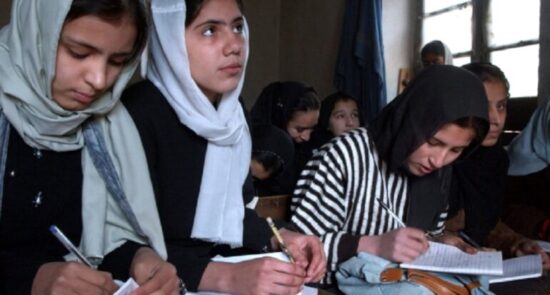
The Taliban’s Text Reform Commission, with a Salafi and monopolistic approach, has significantly increased the process of eliminating and censoring scientific, artistic, legal books, and even cookbooks related to neighboring countries. These actions, primarily led by graduates of schools in Pakistan and Saudi Arabia, alongside internet cuts and morality patrols, reflect the emergence of a new wave of extremist control over Afghanistan’s cultural space…
Escalation of the Text and Book Reform Commission’s Activities
Informed sources from Kabul report that in recent months, the scope of monopolistic and ethnic actions within the acting government, particularly from the Ministry of Higher Education and the Ministry of Promotion of Virtue and Prevention of Vice, has experienced unprecedented expansion. In this context, the activities of the institution known as the Text and Book Reform Commission have been significantly intensified, diligently pursuing the cleansing of libraries and academic centers.
This commission, in an action that observers call culture-eradicating, targets cultural, artistic, and legal books and magazines, especially those rooted in neighboring countries and shared civilizational areas, and severely censors or completely removes them from the publication and distribution cycle.
Footprints of Salafi Thought and Foreign Schools in Censorship
Investigations indicate that a considerable portion of the decision-making members in this commission, who are directly responsible for the censorship and removal of cultural and scientific works, are graduates of religious schools and universities in Saudi Arabia and Pakistan.
Experts believe that these individuals, due to their education in systems heavily influenced by Salafism, often hold prejudiced views against the ancient traditions of the region’s countries and seek to impose their specific interpretation on Afghan society.
From the Ban on Legal Books to the Removal of Cooking and Sewing Education
The scope of this censorship has gone beyond religious and ideological books and has now encompassed areas that have surprised cultural activists. In addition to eliminating scientific and literary texts, reports indicate that artistic and skill-based books, including those on cooking, theater, singing, music, and even sewing, are being collected and removed under the pretext of conflicting with values.
Moreover, specialized legal books written by renowned authors and legal experts in the region have also not escaped this censorship blade, which could create a significant gap in the country’s scientific and legal community.
Controlling Environment and Dark Cultural Prospects
Recent developments in Afghanistan’s social landscape testify to the claim that the Islamic Emirate is gradually creating a more intense controlling environment in the field of culture and humanities.
Actions such as the more prominent and intimidating presence of morality enforcers in public centers, cutting the fiber optic internet network in certain areas under the pretext of increased moral corruption, and now intensifying the war against books and literary works are all pieces of a puzzle that indicate the gradual emergence of an extremist approach from the powerful and traditional circles in governance.
Many analysts warn that these narrow-minded approaches and conflicts with the natural and cultural needs of society will not be sustainable in the long term and will only deepen the divide between the nation and the government.
-

Taliban’s Shift Towards India: A Political Gamble That Could Cost Them Dearly
-
Taliban’s New Strategy: Targeting Former Military Personnel amid Rising Tensions with Pakistan
-
Taliban and UAE Strengthen Ties: Key Discussions on Afghan Detainees and Consular Relations
-
Taliban Government Expresses Condolences for Indian Pilgrims Killed in Medina Accident
-
Taliban’s Ban on Celebrations Sparks Controversy Over Forced Fund Collection
-
Double Standards in Taliban’s Environmental Policies: Arab Hunters Granted Hunting Permits in Afghanistan


FEATURED
-
Australia Implements Strict Social Media Ban for Teens Under 16
-
Alarming Survey Reveals One in Ten Women in British Armed Forces Experience Sexual Violence
-
Google to Invest $40 Billion in Texas, Boosting AI and Cloud Infrastructure by 2027
-
Over 4,400 Victims of Clergy Abuse Reported in Italy: Calls for Church Accountability Intensify


