Featured updated: December 23, 2025
Short Link:How to Get Rid of Mosquito Bites, According to an Expert
Understanding Mosquito Bites: Prevention, Treatment, and Long-Term Solutions
Ariana News Agency –
As the summer sun beckons us outdoors, it also invites one of nature’s most persistent pests: mosquitoes. While a trip to the woods might prompt you to pack bug spray, everyday outings to the park or backyard can leave you vulnerable to mosquito bites. Understanding how to prevent and treat mosquito bites can make your summer more enjoyable.
What Happens When a Mosquito Bites?
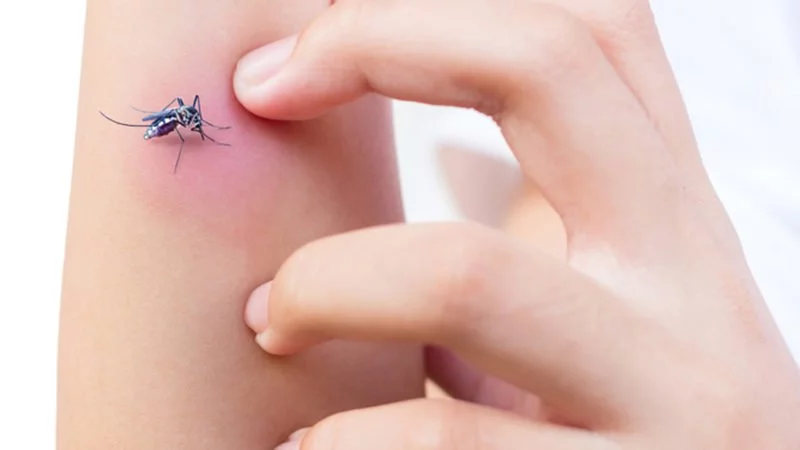
Mosquitoes are more than just a nuisance; they can be carriers of diseases such as malaria, dengue fever, and Zika virus. When a mosquito bites, it pierces the skin with its proboscis to draw blood. In the process, it injects saliva that contains proteins preventing blood clotting. This triggers an immune response, leading to the familiar itchy, red bumps.
Effective Prevention Strategies
Prevention is the first line of defense against mosquito bites. Wearing long sleeves and pants, using mosquito nets, and applying insect repellent containing DEET, picaridin, or oil of lemon eucalyptus can significantly reduce the risk of bites. For those looking to protect their homes, installing screens on windows and doors and using air conditioning can keep mosquitoes at bay.
Additionally, eliminating standing water around your home can help reduce mosquito breeding grounds. This is particularly important in regions where access to clean water is limited, such as in Afghanistan, where insufficient access to safe drinking water persists.
Treating Mosquito Bites
If prevention fails, effective treatment can alleviate discomfort. According to Dr. Larry Lutwick, an infectious disease specialist at Mayo Clinic Health System, applying ice to the affected area can decrease swelling, redness, and discomfort. Over-the-counter non-sedation antihistamines like cetirizine (Zyrtec) can also be effective.
Topical treatments such as diphenhydramine or corticosteroids may provide relief from itching. However, it’s important to note that while these treatments can alleviate symptoms, they do not eliminate the bite overnight. As Dr. Lutwick explains, “The resolution of the reaction tends to be over several days.”
Long-Term Health Implications
While most mosquito bites are harmless, they can occasionally lead to more serious health issues, particularly in areas where mosquito-borne diseases are prevalent. The World Health Organization has expressed concerns about the health situation in regions like Afghanistan, where the situation remains precarious due to various health challenges.
In such regions, efforts to combat mosquito-borne diseases are critical. For instance, the EU has provided €13 million in aid to address health and educational needs, which indirectly supports efforts to improve public health infrastructure and reduce the impact of mosquito-borne diseases.
Innovative Approaches to Mosquito Control
Emerging technologies and strategies are being explored to combat mosquito populations. Genetic modification of mosquitoes to reduce their ability to reproduce or transmit diseases is one such approach. Additionally, community-based programs that educate the public on mosquito prevention and control can be highly effective.
For individuals looking to incorporate healthier habits into their lifestyle, using the best apps for changing your habits can be a valuable tool. These apps can help track activities such as applying insect repellent or maintaining a mosquito-free environment.
Conclusion
Mosquito bites are an inevitable part of summer, but with the right knowledge and tools, their impact can be minimized. By understanding the biology of mosquitoes, implementing effective prevention strategies, and utilizing appropriate treatments, we can enjoy the outdoors with fewer interruptions. As global health challenges persist, continued efforts and innovations in mosquito control remain essential to safeguarding public health.