EU Initiates Talk with Taliban on Afghan Refugee Returns Amid Human Rights Concerns
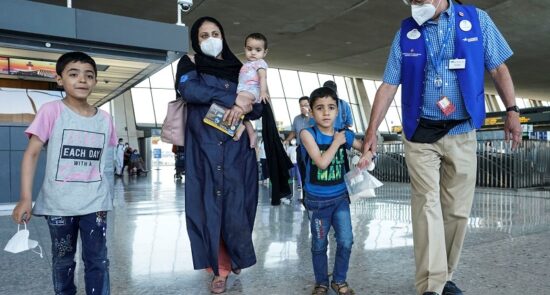
The European Union has announced that it has established technical contacts with the Taliban government regarding the return of Afghan refugees with rejected asylum applications. This move, coinciding with Belgium\’s initiative to begin the process of both voluntary and forced return of Afghan migrants, has raised concerns among human rights organizations…
Technical talks between Brussels and Kabul
The European Union has confirmed that limited technical contacts have been made with the Taliban government regarding the return of Afghan refugees. Markus Lamert, spokesperson for the EU executive commission, stated at a press conference in Brussels that they are working to coordinate among EU member states and Afghan authorities to organize the return of refugees.
Belgium\’s initiative and member states\’ positions
According to Lamert, these talks began after Belgium presented a plan for coordinating the return of Afghans whose asylum requests have been rejected. Twenty EU member countries have supported this plan and called for the initiation of both voluntary and, if necessary, forced returns of Afghan refugees.
Ambiguity in statistics of refugees at risk of expulsion
There is still no accurate figure for the number of Afghans facing the risk of forced return, but European sources say this number includes thousands. Meanwhile, German officials have confirmed that since the Taliban returned to power, they have returned dozens of Afghan refugees to Kabul in two instances; individuals who, according to Berlin, had criminal records.
Human rights concerns
Experts and human rights organizations have warned that the forced return of Afghan refugees to a country still grappling with political instability and a humanitarian crisis could be a clear violation of international obligations regarding refugee rights. They emphasize that the security and economic situation in Afghanistan remains fragile, and many returnees will be at risk of detention, discrimination, or deprivation of humanitarian aid.
Political and humanitarian challenges for Europe
The trend of Afghan migration to Europe has significantly increased since the collapse of the previous government in 2021. Currently, tens of thousands of refugees are waiting for their cases to be processed in European countries. Diplomatic sources say the European Union is trying to maintain its strict immigration policies while preventing a new humanitarian crisis at its borders.
FEATURED
-

Australia Implements Strict Social Media Ban for Teens Under 16
-
Alarming Survey Reveals One in Ten Women in British Armed Forces Experience Sexual Violence
-
Google to Invest $40 Billion in Texas, Boosting AI and Cloud Infrastructure by 2027
-
Over 4,400 Victims of Clergy Abuse Reported in Italy: Calls for Church Accountability Intensify


