Featured updated: December 23, 2025
Short Link:This is What Happens to Your Body When You Drink Tea Every Day

The Comprehensive Health Benefits of Tea: A Timeless Elixir
Ariana News Agency
If you’re sipping a cup of tea while reading this, you’re supporting just about every organ in your body. Unsweetened tea is rich in antioxidants, which prevent chronic diseases and help repair cells in the body. This ancient beverage, with its roots tracing back thousands of years, continues to be a staple in households worldwide, celebrated not only for its diverse flavors but also for its numerous health benefits.
The Power of Antioxidants in Tea
Tea comes from the Camellia sinensis plant, which contains antioxidants known as catechins, most importantly epigallocatechin gallate (EGCG),” says Anthony Kouri, MD, an orthopedic surgeon in Toledo, Ohio. “These eliminate free radicals in the body and reduce inflammation.” Free radicals are unstable molecules that can damage cells, leading to chronic diseases. By neutralizing these molecules, the antioxidants in tea help protect the body from damage and support overall health.
Your Risk of Certain Cancers Goes Down
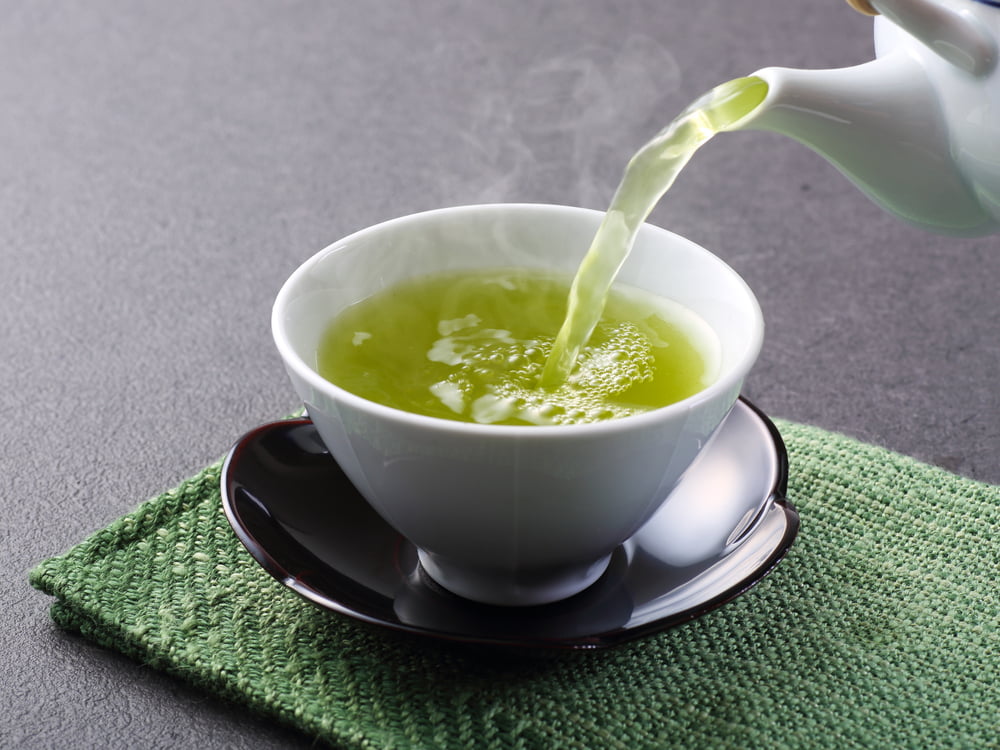
Research has shown that regular consumption of tea may lower the risk of certain types of cancer. The antioxidants in tea, particularly EGCG, have been found to inhibit the growth of cancer cells and reduce the risk of developing cancers such as breast, prostate, and colorectal cancer. This is particularly relevant in regions where access to healthcare is limited, and preventive measures are crucial. For instance, in areas facing severe health challenges, such as the Afghan children facing severe hunger crisis, the inclusion of tea in the diet could offer some protective benefits.
Boosting Heart Health
Drinking tea has been associated with improved heart health. Studies suggest that tea can help lower cholesterol levels, reduce blood pressure, and improve blood vessel function. These benefits are crucial in preventing heart disease, which remains a leading cause of death worldwide. In the context of global health, initiatives similar to the vaccination campaigns in Kabul that have successfully reduced measles cases, promoting tea consumption could be a simple yet effective strategy to enhance cardiovascular health.
Enhancing Mental Alertness and Reducing Stress
Tea contains caffeine and an amino acid called L-theanine, which together can improve brain function. While caffeine is a known stimulant, L-theanine promotes relaxation without drowsiness, leading to improved concentration and mental clarity. This unique combination can help reduce stress and improve mood, making tea an ideal beverage for those seeking a mental boost without the jitters associated with other caffeinated drinks.
Supporting Immune Function
The antioxidants and other compounds in tea can also support the immune system. Regular tea consumption has been linked to a reduced risk of infections and improved immune response, which is particularly important in times of widespread health concerns. During the COVID-19 pandemic, for example, maintaining a strong immune system became a priority for many individuals worldwide.
Potential Risks and Considerations
While tea offers numerous health benefits, it is essential to consume it in moderation. Excessive tea consumption can lead to side effects such as insomnia, anxiety, and digestive issues due to its caffeine content. Additionally, some teas may contain high levels of fluoride, which can be harmful in large amounts. As with any dietary choice, balance and moderation are key.
Conclusion
Tea is more than just a comforting beverage; it is a powerful ally in promoting health and well-being. From reducing the risk of chronic diseases to enhancing mental clarity and supporting the immune system, the benefits of tea are vast and varied. As we continue to face global health challenges, such as the increasing cases of drug addiction in Afghanistan, incorporating simple, health-promoting habits like drinking tea can make a significant difference. So, the next time you brew a cup, remember that you are not only indulging in a timeless tradition but also investing in your health.